The Story
The short answer
Not always. Preheat when you want a crisp surface and the cook is short, such as frozen fries, breaded chicken, steak, or leftovers you want crisp again. Run the empty basket at the cooking temperature for 3 to 5 minutes, then add the food. Skip the step for delicate fish, thick pieces that cook long, and many baked goods. A gentle start suits those foods better, and long cooks reach full heat with the food inside anyway.
Recipes disagree on this step, and that is why the question confuses so many people. One card says to preheat and the next says nothing at all, yet both foods turn out fine. The truth sits in the middle. An air fryer heats fast, so the gap between a hot start and a cold start is small, but that small gap matters most in the first minutes of a short cook.
This guide covers when a hot basket earns its time, how to preheat in a few minutes, which foods love it, which foods do better without it, and how to adjust the time when a recipe assumes a start you did not use.
1. Preheat when crisp is the point
Why it matters: food that lands in a cold basket sits in warming air while the machine climbs to full heat. The surface gives off moisture in that time, and the food steams a little before it can brown. For a short cook, those lost minutes are a large share of the whole job, and the result can taste soft instead of crisp.
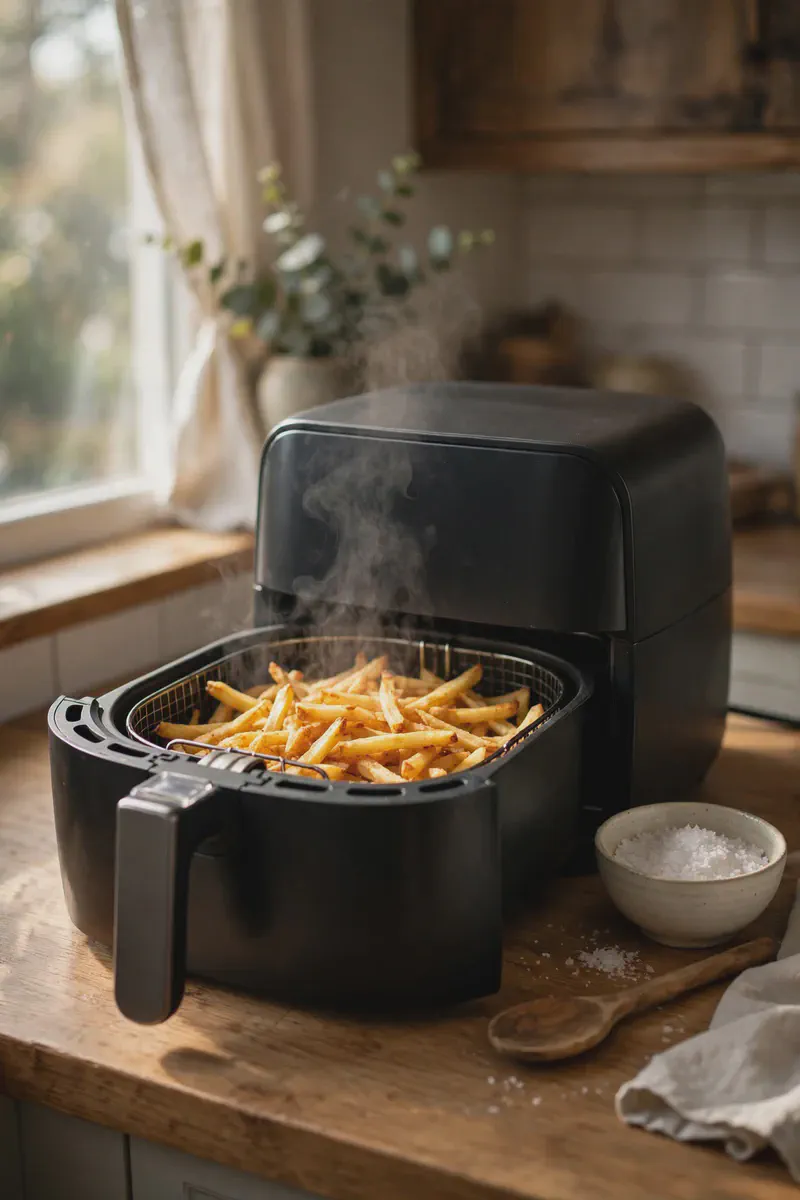
What to do instead: preheat for fries, nuggets, breaded foods, and anything you want browned and crisp in a hurry. A hot basket starts the browning at once, the coating sets fast, and the outside firms up while the inside stays moist. Think of it as giving short cooks the full time at full heat that the recipe promised them.
2. How to preheat in a few minutes
Why it matters: a half hot basket gives you half the benefit. Guessing at the time also leads to food going in too early on one day and the machine running empty far too long on the next, and both habits make your results wander from batch to batch.
What to do instead: set the air fryer to the temperature you plan to cook at, close the empty basket, and let it run for 3 to 5 minutes. Small basket models often need only 2 to 3 minutes, while large models can need the full 5. Add the food in a single layer once the basket feels hot, then start your cooking time from that moment. Work fast when you load the basket so the heat stays inside.
3. Foods that love a hot basket
Why it matters: some foods cook so fast that a cold start changes the whole outcome. Frozen fries and nuggets need fierce heat at once to crisp before they soften. Breaded chicken needs its coating to set before the juices reach it. Steak and thin chops need a hot surface for a good sear in the short time they cook.
What to do instead: preheat for frozen fries, nuggets, breaded chicken, breaded snacks, steak, thin pork chops, and leftovers such as pizza and fries that you want crisp again. Leftovers in a hot basket turn crisp in minutes, while the same food in a cold basket can dry out before the surface wakes up.
4. When to skip the warm start
Why it matters: a fierce start is not kind to every food. Delicate fish can firm and dry at the edges before the centre turns tender. Thick roasts and a whole chicken need a long cook, and a hot start can brown the outside far ahead of the inside. Many baked goods rise better when the heat builds with them, so the centre sets before the top firms.
What to do instead: skip the preheat for delicate fish, thick roasts, a whole chicken, sausages that split under fierce heat, and most small cakes and muffins. Put the food in a cold basket, set the temperature, and let the machine and the food climb together. The result cooks more evenly and the surface stays in step with the centre.
5. Match your time to the start you chose
Why it matters: recipe times assume a start, even when the card never says which one. A time tested in a hot basket will run short in a cold basket, and a time tested from cold can overcook food that started hot. That mismatch, not the machine, is behind a lot of pale fries and dry chicken.
What to do instead: if a recipe says to preheat and you skip it, add 2 to 3 minutes and start checking early. If a recipe says nothing and you preheat, check the food 1 to 2 minutes before the stated time. Write your choice on the recipe card once you find what works in your own machine, so the next batch starts from a time you trust.
6. Never preheat with loose paper inside
Why it matters: the fan in an air fryer moves air with real force, and a sheet of parchment or a light liner with no food on it can lift and touch the hot element above the basket. That can scorch the paper and fill the kitchen with smoke in seconds.
What to do instead: always preheat with the basket truly empty, with no liner and no paper inside at all. Add any liner only when the food goes in, and let the weight of the food hold it down. Keep the liner inside the basket edges so air can still move around the food.
Quick reference
| Food | Preheat | Warm time | Notes |
|---|---|---|---|
| Frozen fries and nuggets | Yes | 3 to 5 minutes | Crisp surface from the first minute |
| Breaded chicken and snacks | Yes | 3 to 5 minutes | Coating sets fast and stays in place |
| Steak and thin chops | Yes | 3 to 5 minutes | A hot basket helps the sear |
| Leftovers you want crisp | Yes | 2 to 3 minutes | Short cooks lose time in a cold basket |
| Delicate fish | No | None | A gentle start keeps the flesh moist |
| Thick roasts and whole chicken | No | None | Long cooks warm up with the food |
| Small cakes and muffins | Often no | None | A cold start lets the centre rise before the top firms |
Do you need to preheat an air fryer? For crisp and quick foods, yes, and the 3 to 5 minutes pays you back in browning. For delicate, thick, or long cooking foods, no, and a gentle start is the smarter move. Learn which camp each of your regular foods sits in, write the choice down, and your basket will give you the same good result night after night.