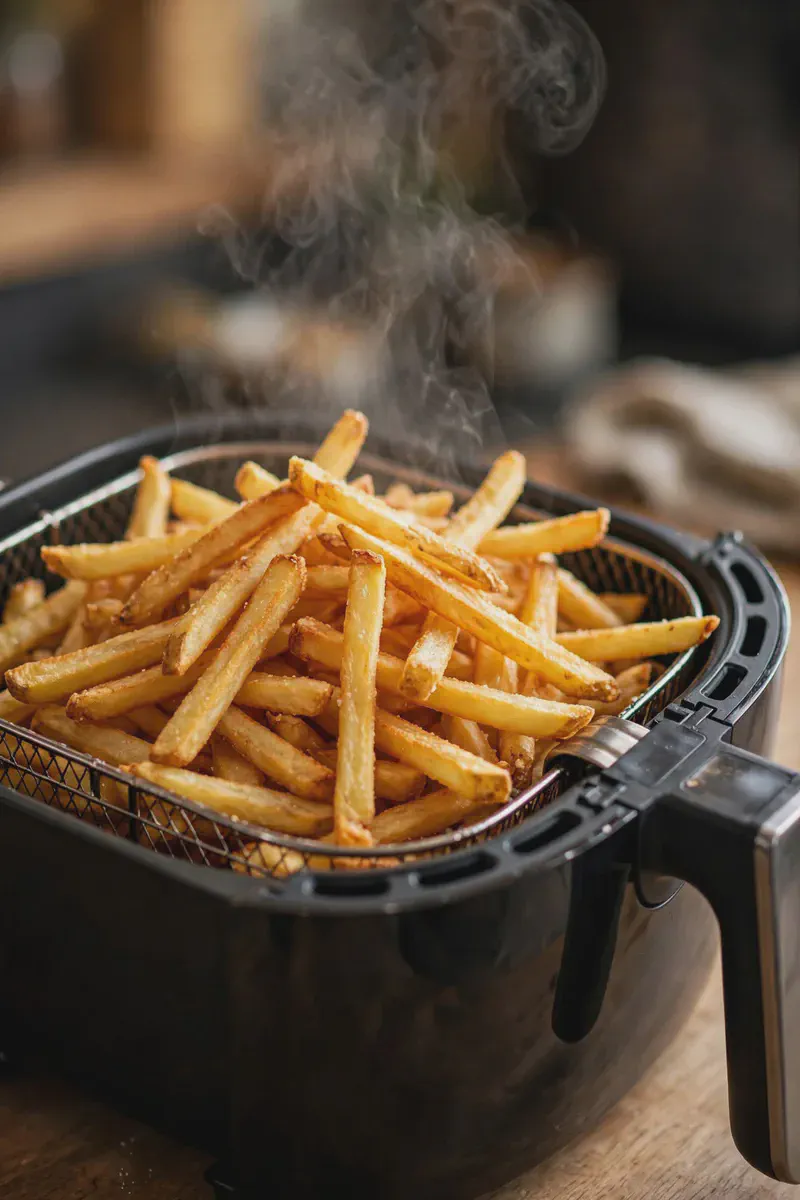
The Story
The short answer
If your food comes out pale, soggy, or uneven, the cause is almost always one of these seven habits.
- Leave room for air to move around each piece.
- Heat the empty basket before you add food.
- Shake the basket or turn large pieces once during the cook.
- Use oil with a light hand and put the oil on the food.
- Start with dry food and a dry crumb coating.
- Cut pieces in even sizes so they finish together.
- Wipe the basket clean after each cook and dry it fully.
Fix one habit and the next batch improves. Fix two and the air fryer starts to feel easy.
The air fryer does one job very well. It moves hot air around food at speed so the surface dries and browns while the inside stays tender. Most disappointing results come from small habits that block that flow of air or add water where you want dry heat. Every habit below takes less than a minute to change, and none of them asks you to buy a new gadget.
Read the mistake that sounds familiar, try the fix tonight, and keep the rest for later. You do not need to change everything at once.
1. Packing the basket past a single layer
Why it matters: air needs a path around each piece. When fries or wings touch on all sides, trapped steam softens the coating and the centre of the pile cooks more slowly than the edges. You end up with a mix of pale pieces and dark pieces from the same batch, and the food that steamed never quite catches up.
What to do instead: lay food in one layer with a small gap between pieces. Cook a second batch while the first batch rests on a warm plate. The second batch cooks faster in a hot basket, so the total time stays close to the same and the texture is worth the short wait.
A full basket looks efficient. In practice it steams the food it was meant to crisp.
2. Skipping the short preheat
Why it matters: food that lands in a cold basket begins to steam before the surface can set. Breading stays soft, cheese slides before it melts in place, and thin pieces need extra minutes that dry them out. The cook time on the recipe also assumes a hot start, so timing drifts.
What to do instead: run the empty basket at your cooking temperature for three to five minutes. Add food in a single quick motion and set your timer. For foods with a crumb coating and for delicate foods such as fish, this short heat gives you colour from the first minute.
3. Leaving food still for the whole cook
Why it matters: the side that faces down gets less moving air. Without a turn, one side colours deeply while the other stays light, and small pieces tucked in the centre stay soft. Shaking feels like a small step, but it is the step that evens out the whole batch.
What to do instead: shake the basket or turn large pieces with tongs once, about halfway through the cook. For fries and chopped vegetables, a firm shake is enough. For chicken pieces or chops, turn each piece so the pale side faces up for the second half.
4. Using oil with a heavy hand or the wrong spray
Why it matters: a thin film of oil helps heat reach the surface and helps crumbs turn golden. A heavy pour pools in the basket, smokes at high heat, and leaves food greasy rather than crisp. Some canned sprays also leave a sticky film that builds up on the basket coating over time and makes food stick later.
What to do instead: toss food with one or two teaspoons of oil in a bowl before it goes in the basket, or brush oil on with a pastry brush. Choose an oil that handles high heat well, such as avocado oil or grapeseed oil. If you use a spray, choose a plain oil spray with no added propellants and spray the food, not the basket.
5. Starting with wet food and loose wet batter
Why it matters: surface water must boil away before browning can start, so wet food steams in its own moisture and the coating never sets. Loose batter has nowhere to set in moving air. It slides off, drips through the basket, and leaves bare patches that cook unevenly.
What to do instead: pat meat, seafood, and vegetables dry with a clean towel before you season them. For a crisp coating, use a dry crumb and press it firmly onto the surface. Let coated pieces rest for ten minutes in the fridge before cooking so the coating holds when the hot air hits it.
6. Cutting pieces in mixed sizes
Why it matters: a thick chunk and a thin slice cannot finish at the same moment. By the time the thick piece is tender, the thin piece is dry. By the time the thin piece is golden, the thick piece is still firm in the centre. Mixed sizes turn one simple cook into a guessing game.
What to do instead: cut potatoes, carrots, and other firm vegetables in pieces of close to the same size. Pound chicken breasts to an even thickness or cut them into strips of even width. When sizes still vary, start the thick pieces first and add the thin pieces a few minutes later.
7. Leaving crumbs and grease for the next cook
Why it matters: old crumbs burn at high heat and give fresh food a stale taste. Grease left in the drawer smokes and smells, and over time it can coat the parts you cannot see. A basket that is never wiped also loses its easy release surface, so food sticks more with each use.
What to do instead: let the basket cool until it is safe to touch, then wash it with warm water, a soft sponge, and a small amount of dish soap. Wipe the drawer and the inside walls with a damp cloth. Dry every part fully before you store it. A clean basket heats evenly and smells neutral for the next meal.
At a glance
Save this table for the fridge door. One glance tells you what went wrong and what to try next time.
| Mistake | What you see | Simple fix |
|---|---|---|
| Packing the basket | Pale and soggy pieces | One layer with gaps |
| Skipping the preheat | Soft coating, uneven colour | Heat three to five minutes |
| Leaving food still | Dark on one side only | Shake or turn once |
| Heavy oil or wrong spray | Smoke and greasy food | Light oil on the food |
| Wet food, loose batter | Steamed surface, bare patches | Dry food, dry crumbs |
| Mixed sizes | Dry thin pieces, firm centres | Even sizes, staggered start |
| Dirty basket | Smoke and stale taste | Wash and dry after use |
Start with one change
If your fries have been soft, give them room and a shake. If your chicken has been pale, add the short preheat and pat the surface dry before it goes in. Small habits shape the result more than any new gadget, and the basket rewards a calm pace. Cook one batch well and the next batch gets easier.
Keep this guide close the next time you cook. Pick the row in the table that matches what you see on the plate, try the fix in that row, and trust your eyes and your fork more than the timer alone. Good food in the air fryer is mostly about air, space, and a dry start.